
The Truth About Commercial Kitchen Canopy Cleaning Melbourne
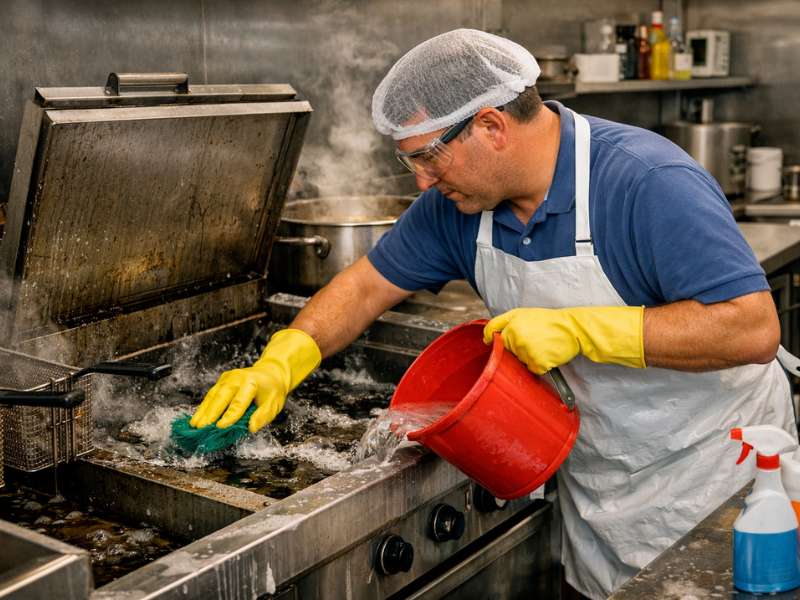
Commercial kitchen canopy cleaning Melbourne is an area of the business, which is generally overlooked until a problem occurs. The element of your business which you can barely see and almost never think about, can be the largest potential hazard in the workplace. A lack of canopies cleaning allows grease and oil to rapidly accumulate, air to slowly stagnate, odours to linger and fire hazards to creep closer. It makes no difference if you are a café, a restaurant, hotel kitchen, catering business or a take-away, this issue is more than just a matter of upkeep.
Most of you probably believe that canopy cleaning is nothing more than just wiping the top down. That is not the case at all. A good cleaning service involves more than simply this, and understanding the components will ensure that you are not the victim of sub-par work, missed inspections and lost downtime.
Why canopy cleaning gets ignored?
It usually happens for one reason: the system keeps running, so the problem stays out of sight. From the outside, your kitchen can look clean and well-managed. Meanwhile, grease may be building up inside the canopy, filters, ducting, and exhaust components.
That is why commercial kitchen canopy cleaning matters more than many operators realise. You are not just cleaning metal surfaces. You are protecting the entire extraction system that helps your kitchen breathe.
Here is the part many business owners learn too late:
- Grease does not stay where you can see it
- Heat and vapour push residue deeper into the system
- Busy kitchens build up contamination faster than expected
- A quick surface wipe is not the same as a full clean
It could be your canopy system, right there, warning you if you’ve ever walked into the kitchen and been greeted by stale smoke, odours, sticky residue or poor airflow.
Commercial kitchen canopy cleaning Melbourne: What’s included & why it matters?
This is the question most people should ask before booking a contractor: What are they actually cleaning?
A quality commercial kitchen canopy cleaning service should cover far more than the visible front face of the canopy. A proper clean usually includes the internal and external canopy surfaces, removable filters, accessible ductwork sections, exhaust fan areas, grease traps where relevant, and the surrounding surfaces affected by build-up.
What a proper service often includes?
- Degreasing canopy interior and exterior
- Removing and cleaning filters
- Cleaning accessible duct sections
- Wiping down fan-access points and high-grease zones
- Removing heavy grease deposits from hard-to-reach areas
- Checking for visible issues that may affect performance
Why this matters?
- Reduces fire risk from grease accumulation
- Helps improve ventilation and airflow
- Supports hygiene and inspection readiness
- Helps staff work in a cleaner environment
- Reduces smell and smoke retention in the kitchen
A lot of blogs stop there, but here is the real-world truth: one of the biggest differences between an average clean and a valuable clean is whether the team understands how commercial kitchens actually operate. A kitchen doing high-volume frying will not build up grease the same way as a café doing light breakfast service. Cleaning frequency should reflect that reality.
A canopy system does not need attention only when it looks dirty. By then, the internal build-up may already be far worse than expected.
The hidden costs of waiting too long
Putting off commercial kitchen canopy cleaning can feel harmless in the short term. You save money today, and everything still seems fine. But the cost of delay often shows up elsewhere.
You may notice:
- Exhaust systems working harder than they should
- Extra smoke staying in the cooking area
- Unpleasant smells drifting into customer spaces
- Sticky grease settling on ceilings, walls, or equipment
- More pressure during compliance checks
- Higher cleaning effort across the whole kitchen
For many venues, the issue is not only safety. It is also presentation. Your customers may not ever be in your ducting, but they will certainly detect a restaurant that smells of stale grease, or a kitchen which is not being looked after properly.
Ask yourself this: if a customer, landlord, insurer or inspector wanted to take a close look at your extraction system tomorrow, would you be happy with it?
Just the mere question can be enough to make an operator take a closer look at the maintenance aspects.
What separates a good clean from a poor one?
Not all providers deliver the same level of work. That is why choosing the right team for kitchen canopy cleaning matters.
Shoddy service just hit the accessible, visible spots. The more thorough, experienced, and honest service identifies the areas that were actually cleaned, those that were reached and those that probably will need attention later.
Signs you are getting a better service:
- They explain the scope clearly before starting
- They understand different kitchen types and grease loads
- They clean beyond the visible canopy face
- They work in a way that reduces disruption
- They communicate maintenance needs, not just cleaning tasks
- They leave the area hygienic and presentable
Signs to be cautious about
- Vague promises with no detail
- Extremely cheap quotes that sound too good
- No clear explanation of what is included
- Rushed jobs with little inspection or follow-up
- No awareness of ventilation performance or grease patterns
A useful tip from experience: Ask the provider to explain the difference between a light maintenance clean and a deeper canopy system clean. If the answer feels unclear, keep looking.
The best canopy cleaning providers do not just clean what is visible. They help you understand how your kitchen system is performing over time.
How often should canopy cleaning happen?
There isn’t one cleaning regime to suit all sites. It will depends on your kitchen’s turnover, how you cook, when and how long your kitchen is open, and the nature of your food output.
A high usage site which also uses deep frying, char-grilling, or any continuously high heat cooking will require more cleaning than a lighter usage site.
You may have a more frequent cleaning regime if you:
- Heavy oil or grease production
- Long trading hours
- Constant lunch and dinner service
- High-output takeaway operations
- Strong cooking odours and smoke
You may need review sooner if you notice:
- Filters clogging faster than usual
- Grease dripping or pooling
- Reduced extraction performance
- Sticky residue near vents and canopy edges
- More heat lingering in the kitchen
The simple, practical answer to this problem is to stop carrying out canopy cleaning as a last-minute emergency measure. Make canopy cleaning part of your regular maintenance plan-just as you plan the servicing of equipment or application of pesticides. That shift alone can save stress later.
Why Melbourne kitchens need a sharper approach?
Food in Melbourne is competitive, it is extremely fast paced, and most of all the businesses are rushed. Whether you operate a suburban cafe, a CBD restaurant, a take-away, or a kitchen of a hotel, excellence is important. An efficient and hygienic kitchen is not a “back-of-house” consideration. It supports the service you deliver, ensures that the working environment for your staff is safe and comfortable and protect your business’s image.
This means canopy cleaning needs to be treated as an essential business activity, not an occasional spring-clean.
The businesses that benefit most include:
- Restaurants
- Cafés
- Pubs and bars with kitchens
- Aged care and healthcare kitchens
- School and institutional kitchens
- Food courts and takeaway outlets
- Catering facilities and cloud kitchens
What many operators also fail to take into account: a well-maintained canopy system can provide a better working atmosphere for your employees. Less sticky grease and less heat trapped can be noticed during busy periods.
Questions smart operators ask first
Before booking any kitchen canopy cleaning service, it helps to ask better questions.
Ask things like:
- What parts of the system are included?
- Are filters removed and cleaned properly?
- Is accessible ducting part of the service?
- How do you approach heavy grease build-up?
- What cleaning schedule would suit my kitchen type?
- How do you minimise disruption during service?
These two questions do both. They allow you to make the necessary comparison between providers and ensure that you are actually purchasing value, not just a “tidy-up” service.
If you are serious about kitchen safety and standards, that conversation matters.
Final thoughts for kitchen owners
Let me tell you the real story of commercial kitchen canopy cleaning Melbourne – it is anything but glamorous, but it is crucial. If it’s done right, it saves much more than just your canopy. It saves your employees, your kitchen environment, your compliance standing and your business’s good name.
An efficiently clean canopy system makes your daily operation flow much easier. It minimises the risk, keeps your grease in check and reflects that you maintain a professional standard. That matters whether you are serving ten customers a day or hundreds.
It has been some time since attention was given to your canopy system, so this is the perfect time to begin. It will pay to begin now rather than when the early symptoms will become a major issue.
For expert assistance, get in touch with CSH Maintenance today to book a professional service that will ensure your kitchen remains safer, cleaner and business-ready.